Hepatitis: Can Root-Cause Support Help Your Liver Alongside Standard Care?
Quick answer: Hepatitis is inflammation of the liver, most often from viral infection (hepatitis A, B, or C) but also from toxins, alcohol, medications, or fatty-liver disease. At Deeper Healing in Charleston, SC, we do not treat or cure hepatitis; we support overall liver health and help reduce the body’s environmental and toxic burden alongside the standard medical care and monitoring your condition requires.
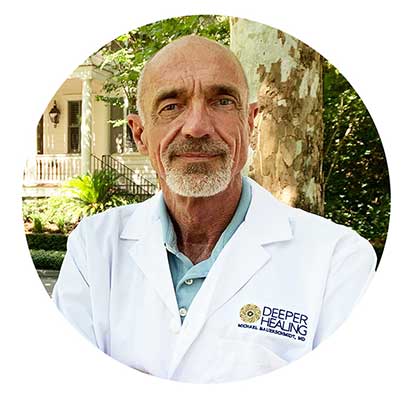
Updated: August 25, 2026 · Reviewed by Michael Bauerschmidt, MD
Key takeaways
- Hepatitis means inflammation of the liver; it can be caused by viruses, toxins, alcohol, certain medications, or fat buildup in the liver.
- Viral hepatitis (A, B, and C) is a specific medical diagnosis that requires evaluation, treatment, and monitoring by a physician or hepatologist — and, for hepatitis A and B, is preventable by vaccination.
- According to the CDC, treatment now cures more than 95% of people with hepatitis C, while data from the CDC show about 640,000 adults in the U.S. live with chronic hepatitis B — underscoring why medical care and monitoring matter.
- Non-viral liver inflammation — from alcohol, drugs, or fatty-liver disease — has different drivers than the viral forms; according to the NIDDK, about 24% of U.S. adults have non-alcoholic fatty-liver disease.
- Deeper Healing does not treat, cure, or clear hepatitis; we focus on supporting general liver wellness and lowering avoidable toxic exposures.
- Any support we provide is meant to complement, never replace, your standard hepatitis care.
What is hepatitis?
Hepatitis is inflammation of the liver, and identifying its root cause — a virus, a toxin, alcohol, or fatty-liver disease — is what shapes how it is diagnosed and treated. The most common causes worldwide are the hepatitis A, B, and C viruses, though heavy alcohol use, certain drugs and toxins, and non-alcoholic fatty-liver disease can inflame the liver too. Because the reasons differ so much, an accurate medical diagnosis of the root cause is the essential first step — and any wellness support belongs alongside your standard care.
According to the CDC, more than 2.4 million people in the United States are estimated to have hepatitis C, and antiviral treatment now cures more than 95% of patients. The Centers for Disease Control and Prevention notes that viral hepatitis is a leading cause of liver disease, and its types differ in how they spread, whether they become chronic, and how they are treated.
What are the symptoms of hepatitis?
Many people with hepatitis — especially chronic viral hepatitis — have no symptoms for years, which is why testing matters. When symptoms do appear, they may include:
- Persistent fatigue and low energy
- Yellowing of the skin or eyes (jaundice)
- Pain or discomfort in the upper-right abdomen
- Nausea, poor appetite, or unexplained weight loss
- Dark urine or pale stools
- Joint or muscle aches
- Itchy skin
- Low-grade fever or general malaise
Jaundice, severe abdominal pain, confusion, or vomiting can signal a medical emergency — seek care from your physician or an emergency department promptly.
What causes hepatitis — and how root-cause support fits in
The liver can become inflamed for several distinct reasons, and telling them apart is a medical task. Viral hepatitis (A, B, and C) is caused by specific viruses and requires diagnosis, antiviral treatment where appropriate, and ongoing monitoring — this is treated by your physician or hepatologist and is not something we address. Non-viral liver inflammation can stem from alcohol, certain medications, industrial chemicals, mold and other environmental toxins, or non-alcoholic fatty-liver disease. According to the NIDDK, about 24% of U.S. adults have non-alcoholic fatty-liver disease, making metabolic and lifestyle factors — not only viruses — a major driver of liver inflammation. Because the liver is the body’s main detoxification organ, reducing avoidable toxic exposures and supporting overall metabolic health may help support general liver wellness. The National Institute of Diabetes and Digestive and Kidney Diseases notes that liver health is influenced by a range of factors, including toxins, alcohol, and metabolic conditions.
“About 24% of U.S. adults have non-alcoholic fatty-liver disease.” — data from the National Institute of Diabetes and Digestive and Kidney Diseases (NIH)
Our role is limited to that supportive, wellness-focused work — always alongside, and never in place of, the medical care your hepatitis requires.
How Deeper Healing supports liver health alongside your hepatitis care
We want to be clear about scope: Deeper Healing does not diagnose, treat, or cure viral hepatitis, and viral hepatitis requires medical treatment and monitoring from your physician or hepatologist. What we offer is complementary, wellness-focused support built on a detailed intake and, where appropriate, testing for environmental exposures — including mold (mycotoxins), heavy metals, and chemicals. Working alongside your existing care team, Dr. Bauerschmidt and our staff look at the body’s overall toxic burden and general metabolic health, and may support the body’s own detoxification pathways through environmental medicine and light and oxygen therapies. The aim is to support your overall wellness and reduce avoidable exposures — not to replace the antiviral treatment, imaging, or lab monitoring your hepatitis may require.
Conventional care vs a root-cause support approach
| Standard hepatitis care (your physician / hepatologist) | Deeper Healing complementary support |
|---|---|
| Diagnoses and stages hepatitis (viral panels, liver enzymes, imaging) | Does not diagnose or stage hepatitis; refers you to appropriate medical care |
| Prescribes antivirals and manages viral hepatitis over time | Focuses on general liver wellness and reducing avoidable toxic exposures |
| Monitors disease progression and complications | Supports overall metabolic health alongside that monitoring |
| The essential, primary treatment for your condition | A complement to — never a replacement for — that care |
Key terms explained
- Viral hepatitis (A, B, C)
- Liver inflammation caused by specific viruses. They spread differently (for example, hepatitis A through contaminated food or water; B and C through blood and body fluids) and require medical diagnosis and treatment.
- Chronic hepatitis
- Liver inflammation that persists for six months or longer, most often from hepatitis B or C. It can stay silent for years, which is why screening and ongoing monitoring matter.
- Non-alcoholic fatty-liver disease (NAFLD)
- A build-up of fat in the liver not caused by alcohol, which can lead to inflammation. It is linked to metabolic factors such as weight, blood sugar, and diet.
- Toxic (or drug-induced) hepatitis
- Liver inflammation caused by alcohol, certain medications, industrial chemicals, or other toxins rather than a virus.
- Liver enzymes (ALT / AST)
- Blood markers your physician uses to gauge liver inflammation or injury. Elevated levels prompt further evaluation of the cause.
- Cirrhosis
- Advanced scarring of the liver that can result from long-standing inflammation, including chronic viral hepatitis or fatty-liver disease. It is managed medically.
- Jaundice
- Yellowing of the skin or eyes from a build-up of bilirubin when the liver is inflamed or not working normally. It is a signal to seek prompt medical evaluation.
- Hepatologist
- A physician who specializes in diseases of the liver. Viral hepatitis is diagnosed, treated, and monitored by a hepatologist or your primary physician — not by a wellness center.
Patient experience
Many people come to us feeling exhausted and worried about their overall health while already under a physician’s care. We work respectfully alongside that care, focused on wellness and reducing avoidable toxic exposures. Read more patient stories here: Deeper Healing patient testimonials →
Frequently asked questions
Does Deeper Healing replace my hepatologist or physician?
No — we complement your standard hepatitis care, we do not replace it. Viral hepatitis requires diagnosis, treatment, and monitoring from a physician or hepatologist, and you should continue that care. Our role is limited to supporting your overall liver wellness and helping reduce avoidable toxic exposures, always alongside your existing medical team.
Can Deeper Healing cure or clear my hepatitis?
No. We do not treat, cure, or clear hepatitis of any kind. Curing or controlling viral hepatitis is a medical matter handled by your physician or hepatologist. What we offer is wellness-focused support for general liver health and a lower environmental toxic burden, meant to work alongside — not instead of — your standard care.
What is the difference between viral hepatitis and toxin- or fatty-liver-related hepatitis?
Viral hepatitis (A, B, or C) is caused by specific viruses and is treated and monitored medically. Non-viral liver inflammation comes from alcohol, certain medications, environmental toxins, or fat build-up in the liver (fatty-liver disease). They have different causes and treatments, so an accurate diagnosis from a physician is essential before any approach.
Can environmental toxins affect the liver?
Yes. The liver processes and clears many substances, and alcohol, certain drugs, industrial chemicals, and other environmental toxins can contribute to liver stress or inflammation. Reducing avoidable exposures is a reasonable part of a general wellness approach, but it is not a treatment for viral hepatitis, which still needs medical care.
What tests are used for hepatitis?
Physicians diagnose hepatitis using blood tests such as viral hepatitis panels and liver enzymes (ALT, AST), and sometimes imaging or a liver biopsy. These are ordered and interpreted by your medical provider. Any environmental-exposure testing we may discuss is supportive and does not diagnose or stage hepatitis.
How can I support my liver health safely?
General measures many providers recommend include avoiding alcohol and unnecessary medications, following your physician’s guidance, and maintaining a healthy weight and diet. Always confirm any supplement or wellness step with the physician managing your hepatitis before starting it.
Is hepatitis preventable?
Hepatitis A and B are preventable through safe, effective vaccines, and simple hygiene and safety precautions lower transmission risk. There is currently no vaccine for hepatitis C, but it is often curable with medical antiviral treatment. Prevention and treatment decisions belong with your physician or public-health provider.
Where can I find wellness support for liver health near me in Charleston, SC?
Deeper Healing Medical Wellness Center is at 234 Seven Farms Drive, Suite 110, Charleston, SC 29492, on Daniel Island. We offer complementary, wellness-focused support that works alongside the care of your physician or hepatologist — we do not replace your hepatitis treatment.
Your next step: understand your toxic burden
Because the liver is the body’s main detoxification organ, understanding your own environmental “body burden” can be a useful part of an overall wellness picture — something you can share with the physician managing your hepatitis. Our free two-minute assessment helps you gauge whether accumulated toxins could be adding to your overall load.
Take the Toxin Quiz
Two minutes, free, and completely confidential — see whether your body burden of toxins could be adding to your overall health load.
Sources
- Centers for Disease Control and Prevention — Viral Hepatitis
- Centers for Disease Control and Prevention — About Hepatitis C (treatment cures more than 95% of patients)
- Centers for Disease Control and Prevention — About Hepatitis B (about 640,000 U.S. adults with chronic hepatitis B)
- National Institute of Diabetes and Digestive and Kidney Diseases (NIH) — Liver Disease
- National Institute of Diabetes and Digestive and Kidney Diseases (NIH) — NAFLD & NASH: Definition & Facts (about 24% of U.S. adults have NAFLD)
Medically reviewed by Michael Bauerschmidt, MD — Founder and Medical Director, Deeper Healing Medical Wellness Center. Board-certified physician specializing in functional and environmental medicine.
Last reviewed: August 2026.
This page is offered to provide education and isn’t a substitute for professional medical advice, diagnosis, or treatment. Symptoms can have many possible causes, ranging from minor to serious, and what’s true for one person may not be true for another. Always consult a qualified healthcare provider before making any health decisions. This content hasn’t been evaluated by the FDA and isn’t intended to diagnose, treat, cure, or prevent any disease. If you’re experiencing a medical emergency, contact your physician or local emergency services.
If you’d like personalized guidance from Deeper Healing, here is an invitation to learn more. And wherever you are on your journey, we encourage conscious, intentional choices that support your health and the planet’s. Every decision matters.