Memory Loss and Cognitive Concerns: What Could Be Behind Them?
Quick answer: Memory disorders describe new or worsening memory loss and changes in thinking that can range from everyday forgetfulness to signs of a serious condition. New or worsening memory loss should always be evaluated by a physician. At Deeper Healing in Charleston, SC, we support overall brain health and help reduce the body’s toxic burden — such as heavy metals, mold, and chemicals — alongside your standard medical care.
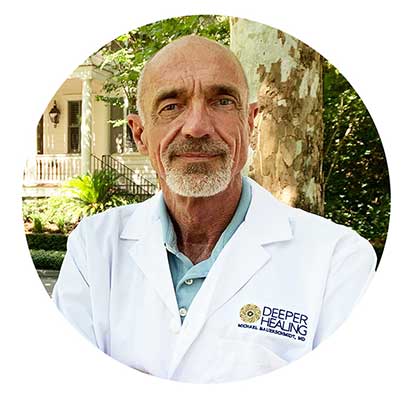
Updated: August 25, 2026 · Reviewed by Michael Bauerschmidt, MD
Key takeaways
- Memory changes have many possible causes — some are reversible (medication side effects, thyroid or nutrient issues, poor sleep, depression, or toxic exposures), while others reflect serious neurological conditions.
- New or worsening memory loss should be evaluated by a physician or neurologist, because it can be an early sign of a treatable or serious condition.
- According to the National Institute on Aging, memory problems have many possible sources — some temporary and reversible, and some progressive.
- Standard neurological care is the foundation for diagnosing and managing memory disorders, and we do not replace it.
- Deeper Healing does not treat, cure, or reverse dementia or Alzheimer’s disease. We focus on supporting overall brain health and reducing the body’s toxic burden alongside that care.
- Environmental exposures such as heavy metals, mold, and chemicals are among the modifiable factors that can influence how well you feel and function day to day.
What is a memory disorder?
Memory loss and cognitive concerns describe memory disorders — conditions in which a person experiences memory loss or a decline in thinking, attention, or reasoning that is greater than expected for their age. Some memory changes are a normal part of aging, while others may point to a medical or neurological cause. According to the National Institute on Aging, memory problems can stem from many different sources — some temporary and reversible, and some progressive — which is why a careful medical evaluation matters. Research from the National Library of Medicine (MedlinePlus) similarly emphasizes that many everyday memory changes differ from the memory loss seen in serious conditions. Related, more serious conditions include Alzheimer’s disease and other forms of dementia.
What are the symptoms of a memory disorder?
Because memory and thinking rely on the whole brain and body, symptoms vary widely and often develop gradually:
- Forgetting recent conversations, appointments, or events
- Misplacing items or retracing steps often
- Difficulty concentrating or “brain fog”
- Trouble finding words or following conversations
- Repeating questions or stories
- Difficulty with familiar tasks or routines
- Mental fatigue, low mood, or irritability
- Changes in sleep that worsen daytime thinking
Warning signs that warrant prompt medical attention include memory loss that disrupts daily life, sudden confusion, or noticeable changes that concern you or your family. These should be evaluated by a physician rather than assumed to be ordinary aging.
What can affect memory — and why the full picture matters
Memory and cognition can be influenced by many overlapping factors: sleep quality, thyroid and hormone balance, blood sugar, nutrient status, mood, medications, and environmental exposures. Standard care rightly focuses first on identifying or ruling out serious neurological causes. Once that evaluation is underway, some contributors to how a person feels — including the body’s accumulated body burden from heavy metals, mold, and chemicals — can be overlooked. According to the National Institute of Neurological Disorders and Stroke, some causes of cognitive decline are reversible when the underlying issue is found and addressed. Guidance from the National Institute of Environmental Health Sciences also recognizes heavy metals, and separately mold, as environmental agents that can stress the body. Our role is to help identify and reduce modifiable burdens on the body that may affect overall brain health — never to replace a neurological diagnosis or its treatment.
According to the National Institute on Aging, some memory and thinking problems are treatable or reversible when the underlying cause is identified — which is one reason a careful medical evaluation should come first. Source: National Institute on Aging →
How Deeper Healing supports brain health
Deeper Healing works alongside your physician or neurologist, not in place of them. After a detailed intake and comprehensive lab analysis, Dr. Bauerschmidt and our team look for modifiable contributors to how you feel — such as heavy-metal, mold, or chemical exposure, nutrient depletion, and other imbalances — and address them in a deliberate order using environmental medicine and light and oxygen therapies. The aim is to reduce the body’s toxic burden and support overall wellness, while your standard medical care continues to diagnose and manage any underlying neurological condition, including Alzheimer’s disease and other dementias.
Standard neurological care vs a complementary root-cause approach
| Standard neurological care | Deeper Healing supportive approach |
|---|---|
| Diagnoses and manages memory disorders and dementia | Complements that care — never replaces it |
| Cognitive testing, imaging, and medication as indicated | Tests for heavy metals, mold, chemicals, nutrient and metabolic imbalances |
| Focuses on the neurological diagnosis | Focuses on reducing the body’s toxic burden and supporting overall health |
| Directs the medical management plan | Coordinates with your physician so care stays aligned |
Key terms explained
- Mild cognitive impairment (MCI)
- A noticeable decline in memory or thinking that is greater than normal aging but not severe enough to interfere significantly with daily life. It should be evaluated medically, as it can be stable, reversible, or progressive.
- Reversible cause
- A contributor to memory or thinking changes — such as a medication side effect, thyroid problem, nutrient deficiency, sleep disorder, or depression — that can improve once it is identified and treated.
- Neurodegenerative disease
- A progressive condition, such as Alzheimer’s disease, in which brain cells are gradually damaged over time. These conditions are diagnosed and managed within standard neurological care.
- Neurologist
- A physician who specializes in diagnosing and treating disorders of the brain and nervous system, including the workup of memory loss and dementia.
- Body burden
- The total amount of accumulated toxins — such as heavy metals, mold-related mycotoxins, and chemicals — carried in the body, which can act as ongoing stressors on overall health.
- Mycotoxins
- Toxic compounds produced by certain molds that can act as immune and neurological stressors when exposure is chronic.
- Cognitive reserve
- The brain’s resilience — built through factors like sleep, nutrition, activity, and reduced toxic stress — that helps it maintain function despite age-related or disease-related changes.
Patient experience
Many patients come to us wanting to do everything possible to support their brain health while continuing the care of their own physician. Read how others have approached root-cause, whole-body wellness: Deeper Healing patient stories →
Frequently asked questions
Can memory loss be reversed?
It depends on the cause. Some memory problems — from medication side effects, thyroid issues, nutrient deficiencies, sleep problems, depression, or certain toxic exposures — can improve when the underlying issue is found and addressed. Others, such as dementia, are progressive. That is why new or worsening memory loss should always be evaluated by a physician first.
When should I see a doctor about memory loss?
See a physician if memory loss is new, worsening, disrupts daily life, or worries you or your family — and promptly for sudden confusion or rapid changes. Memory loss can signal a treatable or serious condition, so a medical evaluation comes first. Deeper Healing supports that process; it does not substitute for it.
What could be contributing to my memory problems?
There is rarely a single cause. Memory and focus can be affected by sleep, thyroid and hormone balance, blood sugar, nutrient status, mood, medications, and environmental exposures such as heavy metals, mold, and chemicals. Standard care identifies neurological causes; our work focuses on finding and reducing the modifiable burdens that may be weighing on your overall brain health.
Can heavy metals or mold affect memory and focus?
Chronic exposure to heavy metals, mold-related mycotoxins, and chemicals is recognized as a stressor on the body and nervous system, and reducing that “body burden” is central to how we support overall wellness. This is complementary to, not a replacement for, a full medical evaluation of memory loss by your physician or neurologist.
Does Deeper Healing replace my neurologist?
No — we complement your standard care. Your physician or neurologist remains responsible for diagnosing and managing any memory disorder or dementia. Deeper Healing works alongside that care to support overall brain health and reduce the body’s toxic burden. We coordinate with your providers so everyone stays aligned on your plan.
What tests are used to evaluate memory loss?
A medical workup may include cognitive assessments, blood work, and brain imaging ordered by your physician to identify or rule out neurological and reversible causes. At Deeper Healing we add testing for heavy metals, mold exposure, chemicals, and nutrient and metabolic imbalances, so the modifiable factors affecting your overall health can be addressed alongside that care.
Is memory loss always a sign of dementia?
No. Occasionally forgetting a name or where you left your keys can be a normal part of aging. Memory loss that disrupts daily life, worsens over time, or accompanies confusion is different and should be evaluated. Many causes of cognitive change are not dementia, and some are reversible when identified early.
Is there a memory and brain-health specialist near me in Charleston SC?
Deeper Healing Medical Wellness Center is located at 234 Seven Farms Drive, Suite 110, Charleston, SC 29492, on Daniel Island. We see patients who want to support their brain health and reduce their toxic burden alongside the care of their own physician or neurologist.
Your next step: understand your body burden
Because hidden environmental toxins such as heavy metals, mold, and chemicals can quietly weigh on brain health, a useful first step — while you continue your medical care — is understanding your own “body burden.” Our free two-minute assessment helps you gauge whether accumulated toxins could be affecting how you feel, and what to do next.
Take the Toxin Quiz
Two minutes, free, and completely confidential — see whether your body burden of toxins could be affecting how you feel.
Sources
- National Institute on Aging (NIH) — Memory Loss and Forgetfulness
- National Institute on Aging (NIH) — What Is Mild Cognitive Impairment?
- National Institute of Neurological Disorders and Stroke (NIH) — Dementia
- National Institute of Environmental Health Sciences (NIH) — Metals and Mold
- National Library of Medicine — MedlinePlus: Memory
Medically reviewed by Michael Bauerschmidt, MD — Founder and Medical Director, Deeper Healing Medical Wellness Center. Board-certified physician specializing in functional and environmental medicine.
Last reviewed: August 2026.
This page is offered to provide education and isn’t a substitute for professional medical advice, diagnosis, or treatment. Symptoms can have many possible causes, ranging from minor to serious, and what’s true for one person may not be true for another. Always consult a qualified healthcare provider before making any health decisions. This content hasn’t been evaluated by the FDA and isn’t intended to diagnose, treat, cure, or prevent any disease. If you’re experiencing a medical emergency, contact your physician or local emergency services.
If you’d like personalized guidance from Deeper Healing, here is an invitation to learn more. And wherever you are on your journey, we encourage conscious, intentional choices that support your health and the planet’s. Every decision matters.