ADHD: Can the Root Causes Be Treated?
Quick answer: ADHD (attention-deficit/hyperactivity disorder) is a neurodevelopmental condition marked by inattention, impulsivity, and restlessness. At Deeper Healing in Charleston, SC, we look beyond symptom scores to root contributors — nutrient status, diet and blood sugar, gut health, and environmental toxins such as mold, heavy metals, and chemicals — and work to address them alongside standard care.
Updated: August 25, 2026 · Reviewed by Michael Bauerschmidt, MD
Key takeaways
- ADHD is one of the most common neurodevelopmental conditions of childhood and often continues into adulthood. According to the NIMH, the prevalence of U.S. children ever diagnosed with ADHD rose 42% between 2003 (7.8%) and 2011 (11.0%).
- Data from the NIMH indicate the overall prevalence of current adult ADHD is 4.4%, so ADHD is not only a childhood condition.
- A diagnosis is based on behavior and symptom patterns — there is no single lab test that confirms ADHD.
- Contributing factors can include nutrient gaps (such as iron, zinc, magnesium, and omega-3s), diet and blood-sugar swings, gut imbalance and food sensitivities, and environmental exposures like lead.
- Standard care — behavioral therapy and stimulant or non-stimulant medication — can meaningfully reduce symptoms but may not address these underlying contributors.
- A root-cause, functional and environmental medicine approach aims to support attention, focus, and overall health alongside a patient’s existing treatment, never in place of it.
What is ADHD?
ADHD is a neurodevelopmental condition characterized by a persistent pattern of inattention, hyperactivity, and impulsivity that interferes with daily functioning at home, school, or work, and understanding its root causes and contributors is central to how a root-cause approach evaluates it. It affects children and adults, and symptoms often present differently across the lifespan. It is one of the most common neurodevelopmental disorders of childhood, according to the Centers for Disease Control and Prevention, and is diagnosed through a clinical evaluation of behavior rather than a single blood test. Research from the National Institute of Mental Health puts the lifetime prevalence of ADHD among U.S. adolescents at 8.7%.
What are the symptoms of ADHD?
Because ADHD affects attention regulation and impulse control, symptoms show up across many settings and often shift with age:
- Difficulty sustaining attention or focus
- Easy distractibility and forgetfulness
- Disorganization and trouble finishing tasks
- Restlessness, fidgeting, or feeling “on the go”
- Impulsivity and interrupting
- Poor time management and procrastination
- Emotional reactivity or difficulty regulating mood
- Trouble following through on instructions
- Sleep difficulties
What contributes to ADHD — and why standard treatment can miss the deeper drivers
ADHD has a strong genetic and neurodevelopmental basis, and standard care usually combines behavioral strategies with stimulant or non-stimulant medication. Reported by the NIMH, an estimated 69.3% of children with a current ADHD diagnosis received medication for it — helpful for many, yet medication alone does not examine nutrient status, diet, gut health, or toxic exposures. That approach can meaningfully improve focus and impulse control, but it does not always answer a deeper question: what else may be influencing the brain’s chemistry — particularly dopamine signaling and a person’s executive function — and this person’s ability to concentrate? In our experience, contributors can include nutrient depletion (such as iron, zinc, magnesium, and omega-3 fatty acids), blood-sugar swings and diet, food sensitivities and gut imbalance, and environmental exposures. The CDC identifies lead exposure among the factors associated with ADHD. When these drivers go unexamined, some patients continue to struggle even on medication.
According to the CDC, lead exposure is among the factors associated with ADHD — one reason we assess environmental and heavy-metal burden as part of a root-cause evaluation, alongside a patient’s standard care.
How Deeper Healing supports patients with ADHD
Deeper Healing takes a root-cause approach built on a detailed intake and comprehensive lab analysis — looking at nutrient status, blood sugar, gut health, and environmental exposures such as mold, heavy metals, and chemicals rather than symptom checklists alone. Dr. Bauerschmidt and our team work to identify which contributors may apply to a given patient and address them in a deliberate order using environmental medicine, light and oxygen therapies, and targeted nutritional and detoxification support. This work is designed to complement — never replace — a patient’s existing behavioral therapy or medication, in coordination with their prescriber.
For patients whose symptoms involve an over-activated nervous system, we may add two gentle, non-invasive options as adjunctive support: Iasis microcurrent neurofeedback, which uses very low-level microcurrent to help calm an over-activated nervous system and interrupt entrenched stress loops, and Exomind transcranial magnetic stimulation (TMS), which uses non-invasive magnetic stimulation to support healthy brain regulation. Both are offered only as adjunctive support, designed to complement — never replace — a patient’s existing behavioral therapy or medication, in coordination with their prescriber.
Conventional care vs a root-cause approach
| Conventional ADHD care | Deeper Healing root-cause approach |
|---|---|
| Focuses on behavioral rating scales and symptom scores | Adds testing of nutrient status, blood sugar, gut health, and toxin burden |
| Manages symptoms with stimulant or non-stimulant medication | Works to identify and address contributing drivers alongside that care |
| Rarely evaluates diet, micronutrients, or environmental exposures | Assesses diet, iron/zinc/magnesium/omega-3 status, and heavy-metal, mold, and chemical exposure |
| Treatment is largely the same across patients | Plan is individualized to the contributors found in that person |
Key terms explained
- Neurodevelopmental condition
- A condition rooted in how the brain and nervous system develop and function; ADHD is classified as one of the most common neurodevelopmental conditions.
- Executive function
- The set of brain skills — planning, focus, working memory, and impulse control — that are commonly affected in ADHD.
- Dopamine
- A neurotransmitter involved in attention, motivation, and reward. Differences in dopamine signaling are associated with ADHD.
- Micronutrient status
- Levels of key nutrients such as iron (ferritin), zinc, magnesium, and omega-3 fatty acids that support healthy brain function.
- Blood-sugar dysregulation
- Swings in blood glucose from diet or metabolism that can affect energy, mood, and the ability to sustain attention.
- Heavy-metal exposure
- Accumulated exposure to metals such as lead, which the CDC lists among factors associated with ADHD.
- Body burden
- The total load of accumulated environmental toxins — including mold, heavy metals, and chemicals — carried in the body, which a root-cause evaluation aims to assess and reduce.
Patient experience
Many families and adults arrive frustrated after focus and behavior problems persist despite standard treatment. See how a root-cause approach can uncover contributors that symptom-focused care may overlook: Read patient stories from Deeper Healing →
Frequently asked questions
Can ADHD be improved without relying on medication alone?
ADHD is not something we claim to cure. However, many patients notice that focus and overall well-being improve when contributing factors — nutrient gaps, blood-sugar swings, food sensitivities, gut imbalance, and toxin exposure — are identified and addressed. We view this work as support alongside behavioral therapy and any medication, not a replacement for them.
What is the root cause of ADHD?
There is rarely a single cause. ADHD has a strong genetic and neurodevelopmental basis, and other factors may influence symptoms — including nutrient status, diet and blood sugar, gut health, and environmental exposures such as lead. Our work focuses on finding which of these contributors may apply to a given patient so support can be individualized.
Is ADHD related to diet and nutrient deficiencies?
Diet and nutrient status can play a role in attention and behavior for some people. Low iron, zinc, magnesium, and omega-3 levels, along with blood-sugar swings and certain food sensitivities, are areas we commonly evaluate. Addressing these does not cure ADHD, but many patients feel it supports steadier focus and mood as part of a broader plan.
Can environmental toxins or heavy metals like lead contribute to ADHD?
Yes, exposure to certain environmental toxins is recognized as a contributing factor. The CDC lists lead exposure among the factors associated with ADHD. At Deeper Healing we assess heavy-metal and toxin burden as part of our evaluation, and work to reduce it where appropriate, alongside a patient’s standard care.
What tests help evaluate the root contributors to ADHD?
There is no single lab test that diagnoses ADHD — diagnosis is clinical. To explore contributors, we may assess micronutrient status (such as ferritin, zinc, magnesium, and omega-3s), blood sugar, markers of gut health, and heavy-metal, mold, or chemical exposure. These help us build an individualized plan that complements the diagnosis and care a patient already has.
Does Deeper Healing replace my psychiatrist or ADHD medication?
No — we complement your standard care. We do not diagnose ADHD in place of your specialist or ask you to stop prescribed medication. Any changes to medication are made only by your prescriber. Our role is to look for and address root contributors to support your overall health alongside your existing treatment.
Can adults have ADHD?
Yes. ADHD often continues into adulthood, and some people are first recognized as adults. Adult symptoms can look more like disorganization, procrastination, restlessness, and difficulty managing time than obvious hyperactivity. We see adults as well as families, and evaluate the same range of root contributors regardless of age.
Where can I find a root-cause ADHD doctor near me?
Deeper Healing Medical Wellness Center is located at 234 Seven Farms Drive, Suite 110, Charleston, SC 29492, on Daniel Island. We see patients from across the country who travel to us for root-cause care that works alongside their existing ADHD treatment.
Your next step: find out what may be driving it
Because environmental toxins and body burden can sit among the contributors to attention problems, a useful first step is understanding your own toxic load. Our free two-minute assessment helps you gauge whether accumulated toxins could be affecting your focus and overall health — and what to do next.
Take the Toxin Quiz
Two minutes, free, and completely confidential — see whether your body burden of toxins could be affecting your focus and well-being.
Sources
- Centers for Disease Control and Prevention — Attention-Deficit/Hyperactivity Disorder (ADHD)
- Centers for Disease Control and Prevention — ADHD Risk Factors
- National Institute of Mental Health — ADHD Statistics
- National Institute of Mental Health — Attention-Deficit/Hyperactivity Disorder (ADHD)
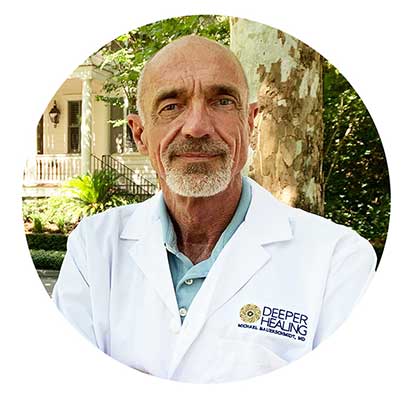
Medically reviewed by Michael Bauerschmidt, MD — Founder and Medical Director, Deeper Healing Medical Wellness Center. Board-certified physician specializing in functional and environmental medicine.
Last reviewed: August 2026.
This page is offered to provide education and isn’t a substitute for professional medical advice, diagnosis, or treatment. Symptoms can have many possible causes, ranging from minor to serious, and what’s true for one person may not be true for another. Always consult a qualified healthcare provider before making any health decisions. This content hasn’t been evaluated by the FDA and isn’t intended to diagnose, treat, cure, or prevent any disease. If you’re experiencing a medical emergency, contact your physician or local emergency services.
If you’d like personalized guidance from Deeper Healing, here is an invitation to learn more. And wherever you are on your journey, we encourage conscious, intentional choices that support your health and the planet’s. Every decision matters.