Eating Disorders: How Can Whole-Body Health Be Supported Alongside Specialized Care?
Quick answer: Eating disorders are serious mental-health conditions that affect both the mind and the body and require specialized professional treatment. Deeper Healing in Charleston, SC does not treat eating disorders; we support general physical health and nutrient repletion alongside — never in place of — the specialized eating-disorder care team guiding your recovery.
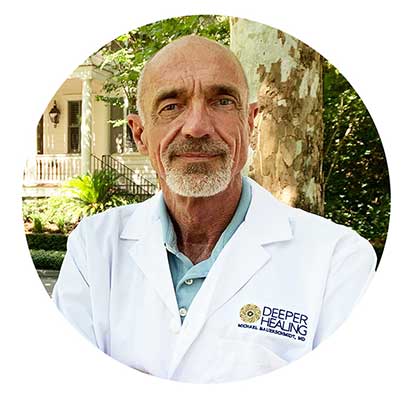
Updated: August 25, 2026 · Reviewed by Michael Bauerschmidt, MD
Key takeaways
- Eating disorders are serious, treatable mental-health conditions that require specialized professional care.
- They can affect the whole body, including nutritional status and general physical health.
- Eating disorders are more common than many people realize: according to the National Institute of Mental Health, the lifetime prevalence of eating disorders among U.S. adolescents was 2.7%, and among U.S. adults the lifetime prevalence of anorexia nervosa was 0.6% (NIMH statistics).
- Deeper Healing complements — and never replaces — your eating-disorder treatment team.
- Our role is limited to supporting overall physical health and nutrient repletion alongside specialized care.
- If you or someone you love may be struggling with an eating disorder, reaching out to a qualified professional is an important and hopeful first step.
What are eating disorders?
Eating disorders are serious mental and physical health conditions marked by persistent disturbances in eating behaviors and by distressing thoughts and emotions related to food, eating, or body image. They include conditions such as anorexia nervosa, bulimia nervosa, and binge-eating disorder. As the National Institute of Mental Health explains, eating disorders are treatable medical conditions — not a lifestyle choice or a lack of willpower — and specialized professional care is essential to recovery. Data from the National Institute of Mental Health indicate that binge-eating disorder is among the more commonly reported eating disorders, with a lifetime prevalence of 2.8% among U.S. adults (NIMH: Eating Disorders statistics).
If you may be struggling, please reach out. Eating disorders are serious but treatable, and recovery is possible with the right support. A qualified eating-disorder professional or your physician can help you take the next step. You can learn more through the NIMH eating disorders resource, and the 988 Suicide & Crisis Lifeline (call or text 988) is available any time you need immediate support.
What are the signs of an eating disorder?
Because eating disorders affect the whole person, they can involve emotional, behavioral, and physical signs. Only a qualified professional can diagnose an eating disorder, but signs that loved ones sometimes notice include:
- Preoccupation or distress around food, eating, or body image
- Marked changes in eating patterns or the relationship with food
- Withdrawal from friends, meals, and usual activities
- Fatigue, dizziness, or feeling cold much of the time
- Digestive discomfort
- Anxiety, low mood, or changes in emotional wellbeing
- Physical effects of inadequate nutrition
These signs warrant a caring, professional evaluation rather than self-diagnosis. If you recognize them in yourself or someone else, connecting with a specialized eating-disorder provider is the most important step.
What contributes to eating disorders — and why specialized care leads
Eating disorders do not have a single cause. Research summarized by the National Institute of Mental Health points to a complex interaction of genetic, biological, psychological, and social factors, and they can affect people of any age, gender, body size, or background. Because these drivers sit largely in the realm of mental and behavioral health, an eating disorder is diagnosed and treated by specialized professionals — typically a multidisciplinary care team spanning therapy, medical monitoring, and dietetic care. Deeper Healing does not diagnose or treat the eating disorder itself. Where an eating disorder has taken a toll on the body’s nutritional status and general physical health, complementary supportive care can help address that physical dimension alongside, and under the coordination of, your specialized treatment team.
As reported by the National Institute of Mental Health, eating disorders are real, treatable medical conditions that arise from a complex mix of genetic, biological, psychological, and social factors — not from a lack of willpower — and specialized professional care supports recovery. (NIMH: Eating Disorders)
How Deeper Healing supports your health alongside eating-disorder care
Deeper Healing’s role is supportive and complementary, coordinated with your specialized eating-disorder providers. Through detailed intake and comprehensive lab analysis, Dr. Bauerschmidt and our team can help assess general physical health and nutritional status, then support gentle nutrient repletion and overall wellness using environmental medicine and light and oxygen therapies where appropriate. We do not diagnose or treat the eating disorder, set eating or weight goals, or direct your recovery plan — that essential work belongs to your specialized treatment team, and we work only in support of it.
Specialized eating-disorder care vs how Deeper Healing complements it
| Specialized eating-disorder care (essential) | How Deeper Healing can complement it |
|---|---|
| Diagnoses and treats the eating disorder | Does not diagnose or treat the eating disorder |
| Therapy, medical monitoring, and dietetic care led by ED specialists | Supports general physical health and nutrient repletion |
| Guides and coordinates the recovery plan | Works alongside your team, never in place of it |
| Owns eating, weight, and treatment decisions | Shares supportive care only in coordination with your providers |
Key terms explained
- Eating disorder
- A serious mental-health condition involving persistent disturbances in eating behaviors and related thoughts and emotions. Eating disorders are treatable, and specialized professional care is essential.
- Anorexia nervosa
- One type of eating disorder recognized by the National Institute of Mental Health, involving serious disturbances in eating behaviors alongside distressing thoughts and emotions. It is a treatable condition that requires specialized professional care.
- Bulimia nervosa
- An eating disorder marked by recurring cycles of disrupted eating behaviors and significant distress. Like other eating disorders, it is diagnosed and treated by specialized professionals.
- Binge-eating disorder
- An eating disorder involving recurrent episodes of a sense of loss of control around eating, accompanied by distress. It is a recognized medical condition that specialized providers treat.
- Multidisciplinary care
- Coordinated treatment delivered by a team — such as a therapist, physician, and registered dietitian — that addresses the mental, medical, and nutritional aspects of an eating disorder together.
- Micronutrient deficiency
- A shortfall in vitamins or minerals the body needs. Inadequate nutrition can lead to deficiencies, which supportive care may help address alongside specialized treatment.
- Nutrient repletion
- The supportive process of helping restore vitamins and minerals the body may lack. At Deeper Healing this is offered only alongside, and in coordination with, your specialized eating-disorder care.
- Medical stabilization
- The specialized medical care that ensures physical safety during eating-disorder treatment. This is directed by your treatment team, not by complementary supportive services.
Patient experience
Many people navigating a complex health journey value coordinated, whole-person support working alongside their specialist care rather than in place of it. Read how patients describe their experience of care at Deeper Healing: Patient testimonials →
Frequently asked questions
Can Deeper Healing treat my eating disorder?
No. Eating disorders are serious mental-health conditions that require specialized professional treatment, and that essential care must come from an eating-disorder treatment team. Deeper Healing does not diagnose or treat eating disorders. Our role is limited to supporting general physical health and nutrient repletion alongside — and in coordination with — the specialists guiding your recovery.
Does Deeper Healing replace my eating-disorder treatment team?
No — we complement your care and never replace it. Specialized eating-disorder care, including therapy, medical monitoring, and dietetic support, is essential and irreplaceable. Deeper Healing works only alongside that team, focusing on supporting overall physical health and nutrient repletion. We coordinate with your providers and defer entirely to their treatment plan.
What contributes to eating disorders?
There is no single cause. According to the National Institute of Mental Health, eating disorders arise from a complex mix of genetic, biological, psychological, and social factors, and can affect anyone. Because these drivers are largely mental and behavioral, specialized professionals lead diagnosis and treatment — a role that is central to recovery and outside the scope of complementary supportive care.
Can an eating disorder affect my physical health and nutrition?
Yes. Eating disorders can affect nearly every system in the body and may lead to nutrient deficiencies and other physical effects of inadequate nutrition. These physical dimensions are managed first by your specialized treatment team. Where appropriate and in coordination with them, complementary care can help support general physical health and nutrient repletion.
How does Deeper Healing support physical health alongside eating-disorder care?
With detailed intake and comprehensive lab analysis, we can help assess general physical health and nutritional status, then support gentle nutrient repletion and overall wellness. We do not set eating or weight goals or direct recovery. All supportive care is coordinated with — and secondary to — your specialized eating-disorder providers, who lead your treatment.
Are eating disorders mental-health conditions?
Yes. Eating disorders are recognized medical and mental-health conditions, not a phase, a choice, or a matter of willpower. They are serious but treatable, and specialized professional care greatly improves the outlook. If you are concerned about yourself or someone else, reaching out to a qualified eating-disorder professional is a caring and hopeful first step.
Where can I find help for an eating disorder near me or in Charleston, SC?
The most important step is connecting with specialized eating-disorder providers — your physician or the National Institute of Mental Health can help you find qualified care. Deeper Healing Medical Wellness Center in Charleston, SC offers complementary physical-health and nutritional support that works alongside, not instead of, your specialized treatment team.
Can nutrient deficiencies be part of an eating disorder?
They can be. Inadequate nutrition may lead to shortfalls in vitamins and minerals the body needs. Any nutritional concern should be evaluated and managed within your specialized treatment plan. Complementary supportive care may help address the physical side of nutrient repletion, always in coordination with your eating-disorder providers.
Your next step: supporting whole-body wellness
Specialized eating-disorder care always comes first. If, alongside that care and with your team’s guidance, you would like to explore your broader physical and environmental health as one part of whole-body wellness, our brief assessment can be a starting point. It is a general wellness tool — not a screen for eating disorders and not a substitute for professional eating-disorder treatment.
Take the Toxin Quiz
A brief, free, and confidential look at your overall body burden as one piece of whole-body wellness — not a substitute for specialized eating-disorder care.
Sources
- National Institute of Mental Health — Eating Disorders
- National Institute of Mental Health — Eating Disorders Statistics
- 988 Suicide & Crisis Lifeline — call or text 988 for free, confidential support, any time.
Medically reviewed by Michael Bauerschmidt, MD — Founder and Medical Director, Deeper Healing Medical Wellness Center. Board-certified physician specializing in functional and environmental medicine.
Last reviewed: August 2026.
Deeper Healing Medical Wellness Center · 234 Seven Farms Drive, Suite 110, Charleston, SC 29492 · 843-253-7302
This page is offered to provide education and isn’t a substitute for professional medical advice, diagnosis, or treatment. Symptoms can have many possible causes, ranging from minor to serious, and what’s true for one person may not be true for another. Always consult a qualified healthcare provider before making any health decisions. This content hasn’t been evaluated by the FDA and isn’t intended to diagnose, treat, cure, or prevent any disease. If you’re experiencing a medical emergency, contact your physician or local emergency services.
If you’d like personalized guidance from Deeper Healing, here is an invitation to learn more. And wherever you are on your journey, we encourage conscious, intentional choices that support your health and the planet’s. Every decision matters.